Blog
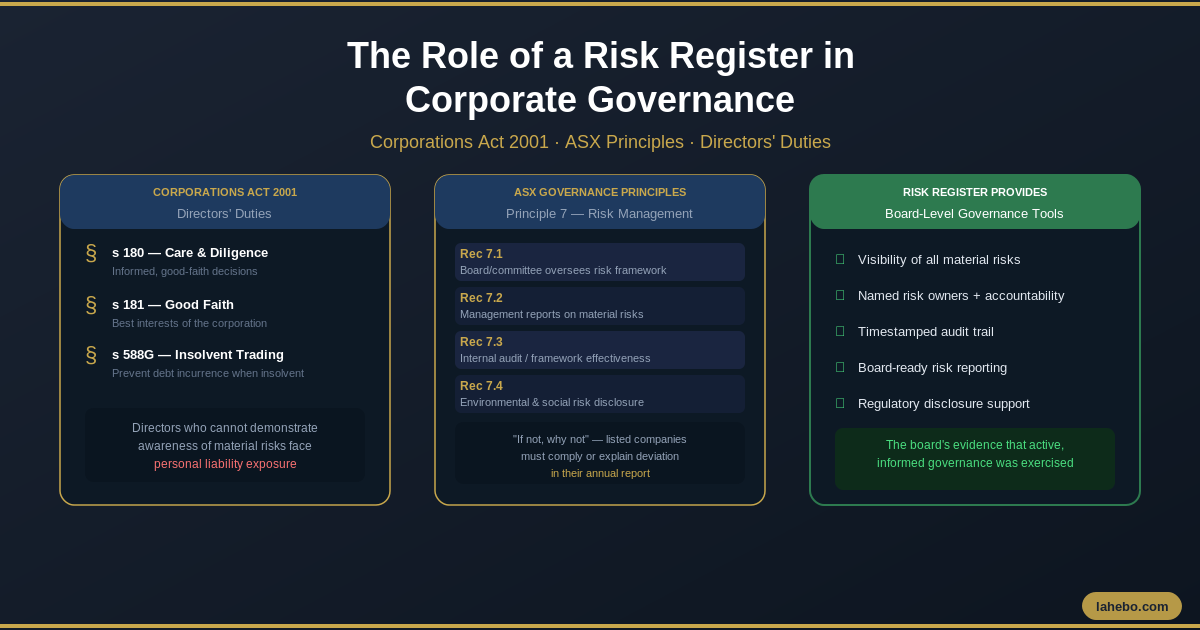
The Role of a Risk Register in Corporate Governance
Understand how a well-maintained risk register supports directors’ duties under the Corporations Act 2001, meets ASX Corporate Governance Principles, and provides boards with the evidence of informed oversight they need.
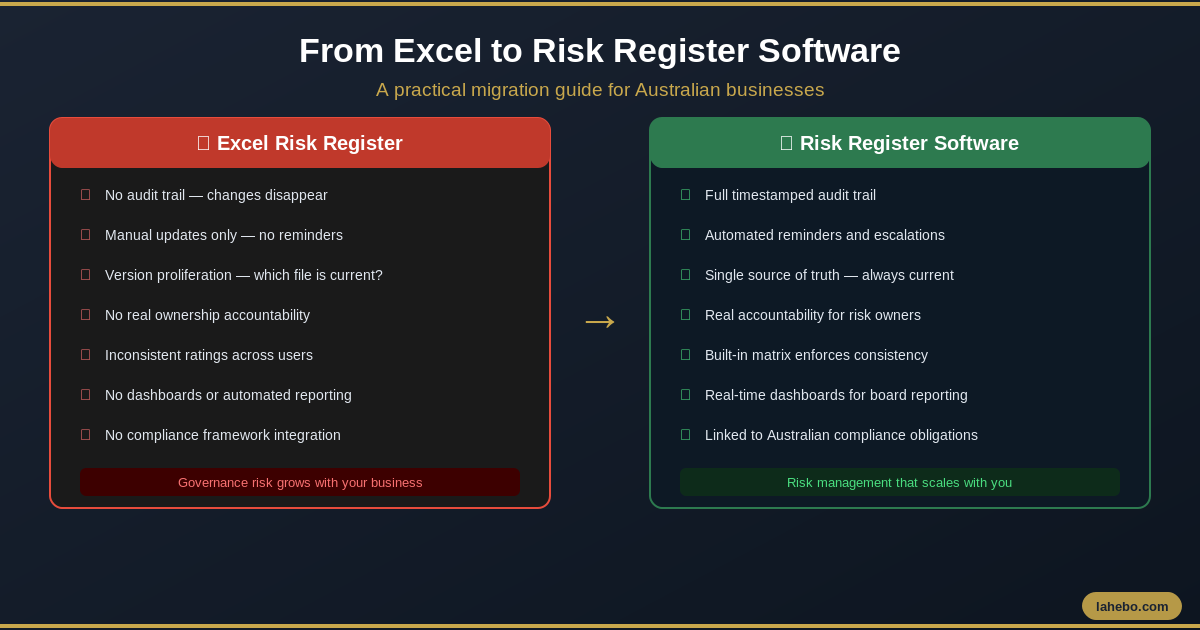
Read More: The Role of a Risk Register in Corporate GovernanceHow to Transition from Excel to Risk Register Software: A Practical Guide
Still managing your risk register in Excel? Discover the critical limitations of spreadsheet-based risk management and follow our 7-step checklist to migrate to purpose-built risk register software.
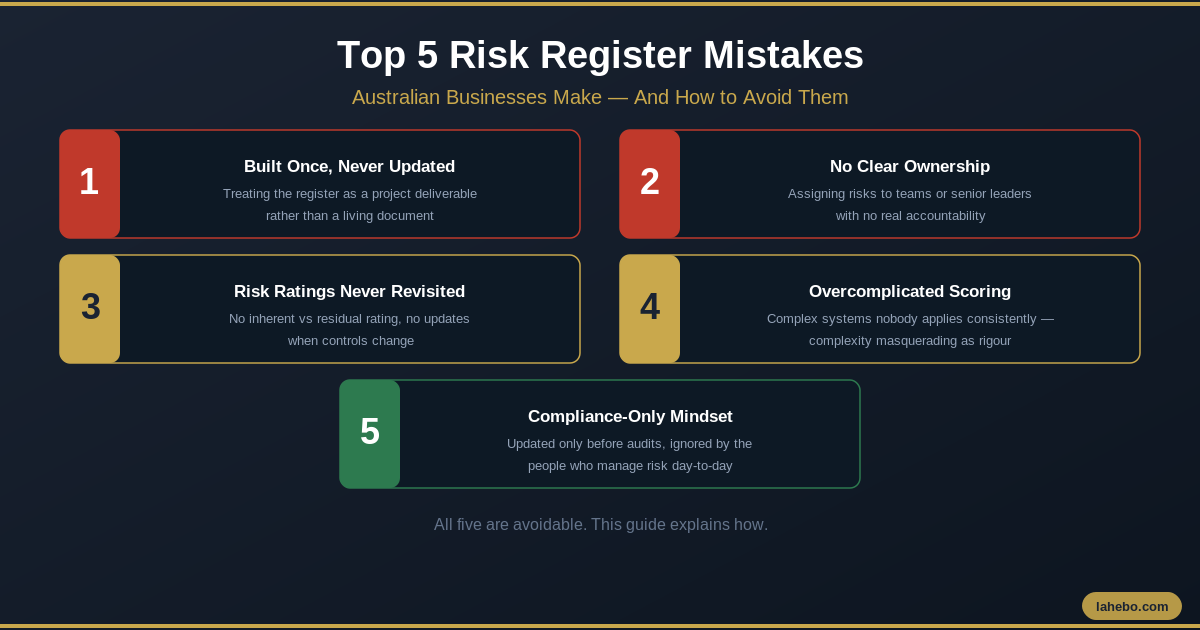
Read More: How to Transition from Excel to Risk Register Software: A Practical GuideTop 5 Risk Register Mistakes Australian Businesses Make (And How to Avoid Them)
A risk register only works if it’s built and maintained correctly. Here are the five most common risk register mistakes Australian businesses make, and how to avoid them.
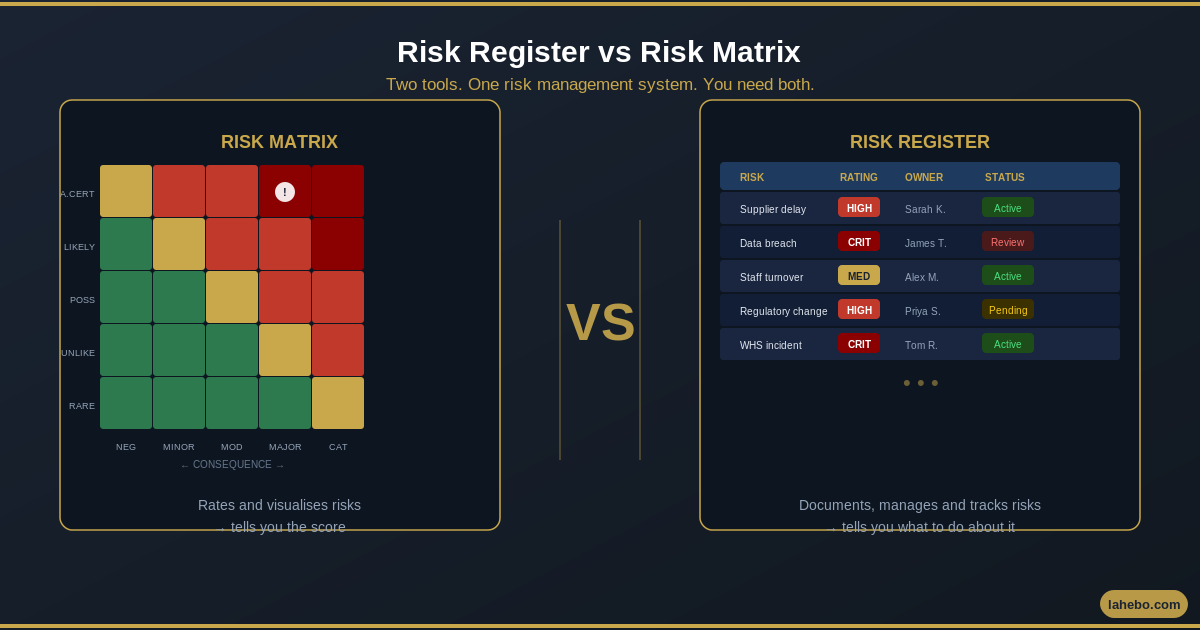
Read More: Top 5 Risk Register Mistakes Australian Businesses Make (And How to Avoid Them)Risk Register vs Risk Matrix: What’s the Difference and Why You Need Both
A risk matrix rates risks. A risk register manages them. Understand the difference between a risk register and risk matrix, and why you need both for effective risk management.
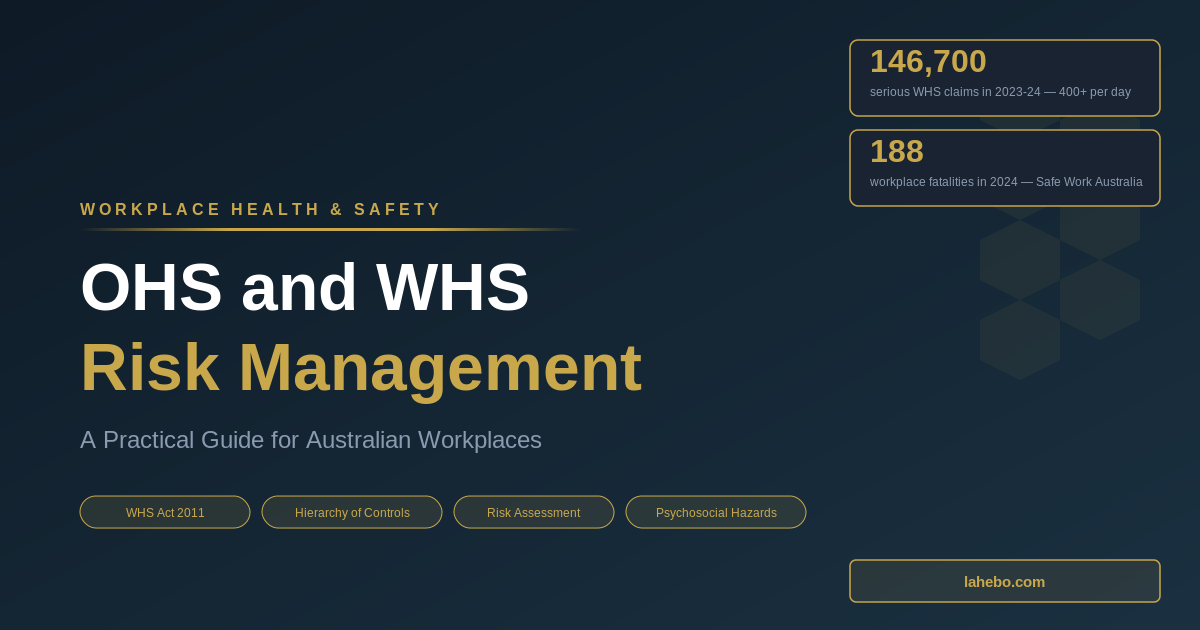
Read More: Risk Register vs Risk Matrix: What’s the Difference and Why You Need BothOHS and WHS Risk Management: A Practical Guide for Australian Workplaces
Understand OHS/WHS risks, your legal obligations under the WHS Act 2011, and how to use a risk register to manage workplace health and safety in Australia.
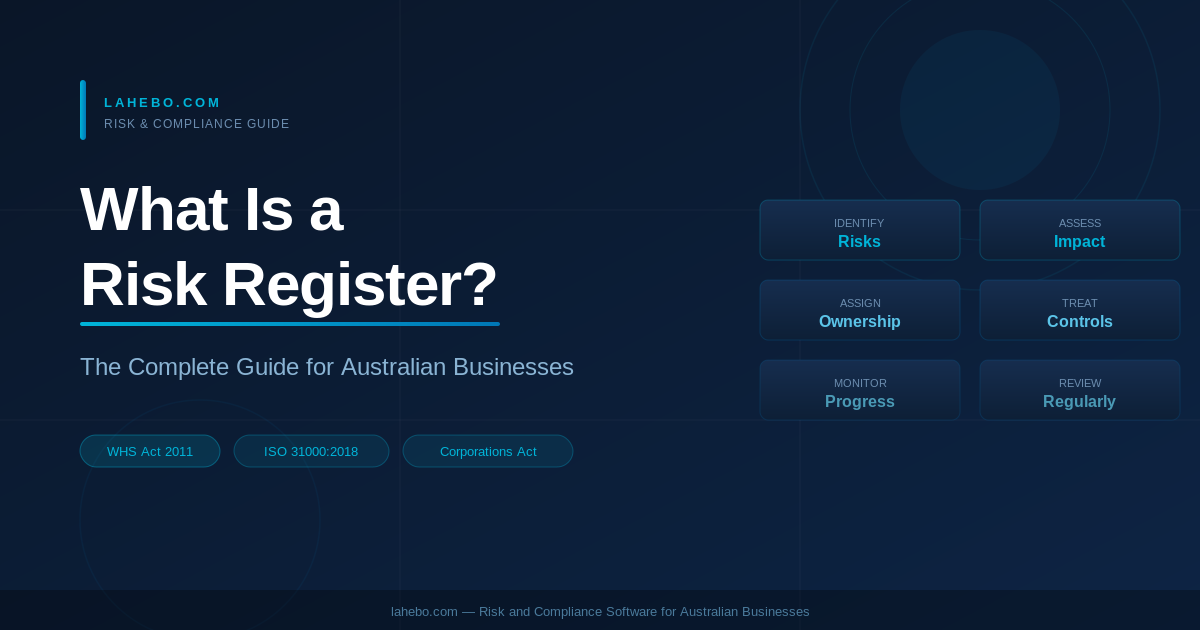
Read More: OHS and WHS Risk Management: A Practical Guide for Australian WorkplacesWhat Is a Risk Register? The Complete Guide for Australian Businesses
Most Australian businesses don’t discover they needed a risk register until something goes wrong. A workplace incident, a contract dispute, a compliance audit, and suddenly there’s a scramble to
Read More: What Is a Risk Register? The Complete Guide for Australian BusinessesAutomate Compliance Management: Compliance Automation Enhances Workflows And Risk Management Systems For Compliance Teams, Eliminating Spreadsheets
Businesses today struggle with the evolving compliance landscape, while needing to mitigate risks in real-time. Harnessing AI technology helps streamline processes by offering a bold new approach to ensure
Read More: Automate Compliance Management: Compliance Automation Enhances Workflows And Risk Management Systems For Compliance Teams, Eliminating SpreadsheetsNavigating Regulatory Compliance: Addressing Compliance Requirements, Data Protection, and Compliance Challenges in the Regulatory Landscape
Australia’s regulatory scope spans across different sectors such as health, finance, environmental protection, etc. Some of the regulatory bodies include the Australian Securities and Investments Commission (ASIC), the Australian Prudential Regulation Authority
Read More: Navigating Regulatory Compliance: Addressing Compliance Requirements, Data Protection, and Compliance Challenges in the Regulatory LandscapeMaximising Impact on a Budget: How Automated Compliance Platforms Empower Lean Teams
The Australian business sector today comprises of Small to Medium Enterprises (SMEs) operating in a landscape that is constantly evolving due to numerous legal and regulatory aspects. As a result,
Read More: Maximising Impact on a Budget: How Automated Compliance Platforms Empower Lean Teams